Maximizing Power: Top Performance Upgrades for Custom Engine Builds
Personalized engine constructions require a deliberate mix of efficiency improvements to truly unleash power. Key modifications can greatly boost efficiency and output. From perfecting fuel delivery systems to identifying the proper camshaft, every choice impacts total output. Grasping these parts is critical. As hobbyists investigate these improvements, the question remains: which upgrades will deliver the most noticeable results? The answers lie in a closer examination of individual mechanisms and their capabilities.
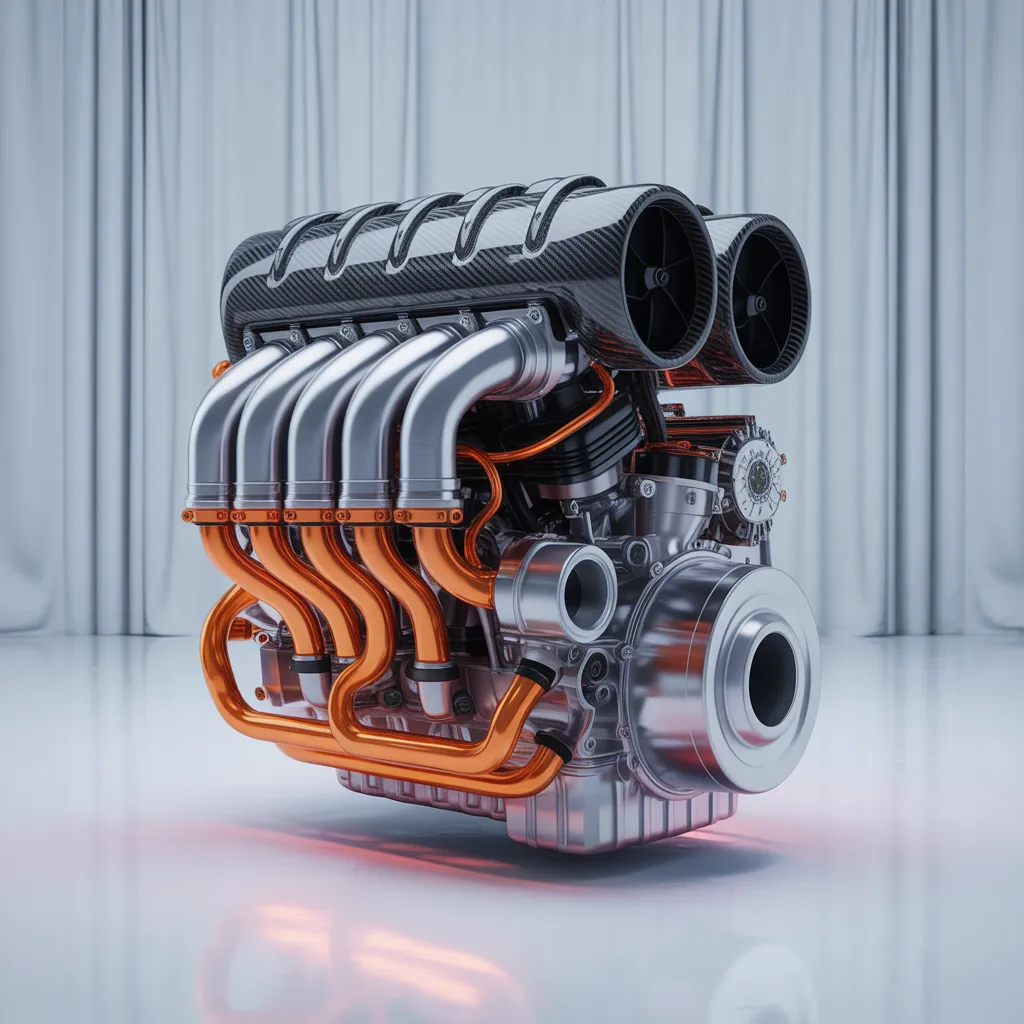
Understanding Engine Performance Fundamentals
Understanding core engine performance principles is vital for individuals aiming to enhance a custom engine configuration. Key components include air-fuel mixture, combustion effectiveness, and exhaust gas flow, all of which considerably influence engine power output. The fuel-to-air ratio must be optimized to guarantee efficient combustion, as improper fuel levels can hinder performance. Furthermore, proper ignition timing is essential for maximizing power; poorly calibrated timing can result in performance knocking or decreased efficiency.
One other crucial factor is the engine's displacement, which directly influences its power potential. Larger displacement engines tend to deliver more power, but performance tuning and upgrades can enhance performance in smaller engines too. Additionally, understanding the role of the engine's cooling and lubrication mechanisms plays a key role in maintaining peak performance and longevity. Grasping these essential basics sets the stage for successful modifications, ultimately leading to a custom engine build that is both powerful and dependable.
Leading Performance Improvements for Turbochargers
When considering enhancements for turbochargers, performance enthusiasts frequently focus on modifications that enhance airflow and improve overall performance. A particularly significant upgrade involves a high-capacity compressor wheel, which expands air intake capacity and enhances boost response. Moreover, installing a high-flow intercooler works to preserve ideal intake temperatures, boosting overall performance and minimizing the chance of engine knock.
An additional key improvement is the integration of a high-quality wastegate. This component allows for better control of boost levels, leading to greater power output. Additionally, implementing a high-performance exhaust manifold can enhance exhaust flow, decreasing turbo lag and boosting overall turbocharger performance.
Ultimately, installing a turbo blanket can effectively retain thermal energy in the turbo system, delivering quicker spool times and enhanced performance. By prioritizing these enhancements, automotive enthusiasts can significantly improve their turbocharger's performance potential, resulting in a highly responsive and powerful engine build.
Upgrade Your Fuel System for Maximum Efficiency
Upgrading the fuel system is necessary for achieving maximum efficiency in tailored engine setups. A advanced fuel pump provides a uniform and ample supply of fuel, which is vital for superior engine operation. Moreover, high-flow fuel injectors can provide increased fuel flow, addressing increased air intake and sustaining the ideal air-fuel ratio. Installing a fuel pressure regulator improves system stability, enabling precise control over fuel delivery in diverse performance scenarios.
Furthermore, upgrading to high-flow fuel filters minimizes restrictions, ensuring clean fuel reaches the engine. This not only boosts efficiency but also prolongs engine life. Incorporating a return-based fuel delivery system can greatly optimize performance by maintaining consistent pressure across all operating conditions. By carefully selecting and installing these components, builders can release the full potential of their custom engines, leading to enhanced power output and better overall efficiency.
Boost Airflow With Exhaust Upgrades
Improving the exhaust system is vital for enhancing engine performance by improving airflow. Premium exhaust systems and header upgrades play important roles in minimizing back pressure and increasing exhaust velocity. These modifications not only maximize power output but also produce a more aggressive engine sound.
High-Performance Exhaust Systems
Performance-grade exhaust systems are vital for enhancing engine efficiency and power output in custom builds. These systems minimize back pressure, allowing for improved exhaust gas flow, which enhances overall engine performance. By employing lightweight materials and increased diameter piping, high-output exhausts decrease weight while supporting optimal airflow. Additionally, they frequently incorporate mandrel bends, which eliminate restrictions and turbulence inside the system. This enhanced design not only results in greater horsepower and torque but also provides a more aggressive sound that many enthusiasts desire. Additionally, high-performance exhaust systems can enhance engine cooling by releasing heat more efficiently, enhancing reliability during high-stress situations. Overall, these upgrades are critical for anyone looking to release their engine's full potential.
Header Upgrade Advantages
An effective way to enhance engine performance is through header upgrades, which substantially increase airflow in conjunction with exhaust system upgrades. By swapping out stock headers for high-performance alternatives, the engine can expel exhaust gases more efficiently. This decrease in back pressure facilitates enhanced engine breathing, resulting in improved horsepower and torque gains.
Additionally, performance headers incorporate smoother bends and larger diameter tubing, which further optimizes exhaust flow. The materials selected, such as stainless steel, offer durability and heat resistance. Ultimately, header upgrades not only improve engine efficiency but also improve the car's exhaust sound, providing a deeper and more aggressive tone. This range of benefits makes header upgrades an essential factor for any performance-focused engine build.
Fine-Tune Your Build With Performance Camshafts
Selecting the correct camshaft is critical for enhancing engine performance. Recognizing the concepts of lift and duration can significantly impact how an engine responds and performs. helpful resource By optimizing these factors, technicians can improve torque and horsepower to accommodate specific driving goals.
Finding The Ideal Camshaft
With regard to optimizing engine performance, picking the right camshaft is critical for attaining specific power characteristics and improving overall efficiency. A properly selected camshaft can considerably influence engine behavior, influencing factors such as throttle response, torque output, and peak horsepower. Mechanics must evaluate their build targets, whether aiming for improved bottom-end power or upper-range performance, as different camshaft profiles serve varying needs. Integration with installed engine hardware, such as the air intake and exhaust setups, is also crucial. Additionally, knowing the engine's operating range aids in choosing a camshaft that aligns with the planned application, be it daily driving or performance racing. In the end, the ideal camshaft can be a game-changer in a performance engine project.
Comprehending Lift And Duration
Comprehending duration and lift is vital for maximizing camshaft performance in custom engine builds. Lift refers to the extent the intake or exhaust valve travels open, directly affecting the engine's airflow. A greater lift permits more substantial air and fuel intake, enhancing power output. Duration, meanwhile, measures the time the valve is held open during the engine's operating cycle. Extended duration can boost performance at elevated RPMs but may diminish low-end torque. Achieving the proper balance of lift and duration is vital; too much lift can cause valve float, while insufficient duration can limit engine breathing. Fine-tuning these specifications based on specific performance goals confirms that the engine operates efficiently and effectively, enhancing its overall potential.
What to Look for When Selecting the Best Engine Management System
How can one determine the most appropriate EMS solution for a bespoke engine setup? Choosing the right EMS (EMS) involves several critical factors. Initially, the primary purpose of the engine should be evaluated; regardless of whether it is for road use, track performance, or rugged terrain affects the decision. Alignment with installed hardware, such as detection and actuation components, is essential to ensure seamless integration.
Subsequently, examining the customization capabilities is important. A intuitive interface and robust data logging features can considerably boost tuning performance. Additionally, the access to support networks and community tools can aid in optimization and troubleshooting.
Budget constraints also play a role; higher-end systems offer advanced features but may exceed financial limitations. Ultimately, examining user reviews and professional guidance can offer valuable information on dependability and effectiveness. Through evaluating these key aspects, one can pinpoint the most appropriate EMS for their custom engine configuration, enhancing overall performance and productivity.
Commonly Asked Questions
What Tools Do You Need for Custom Engine Builds?
Critical equipment for custom motor assemblies comprise a precision torque wrench, motor hoist, accurate measurement instruments, socket sets, assorted screwdrivers, and a complete set of tools. This collection of tools guarantee precision, effectiveness, and security throughout the build process.
What Is the Best Way to Determine My Engine's Horsepower Potential?
To evaluate an engine's horsepower capacity, one must assess displacement, airflow, fuel type, and compression ratios. In addition, dyno evaluation is able to deliver precise measurements and identify performance limitations, effectively directing future modifications and upgrades.
What Are the Signs of Engine Wear During Upgrades?
Signs of wear on the engine throughout the upgrade process include abnormal sounds, diminished performance, increased oil consumption, noticeable leaks, and excessive smoke. Monitoring these indicators can assist in identifying potential issues before they escalate and compromise general engine operation.
Can Upgrades Be Performed Without Professional Help?
Upgrades may be completed without professional guidance, provided the individual possesses adequate knowledge, tools, and experience. That said, caution is strongly recommended, as faulty installations could cause costly errors or harm to the engine.
How Much Does a Custom Engine Build Typically Cost?
The average cost of a engine build project typically ranges from $3,000 to $10,000, depending on parts quality, specifications, and labor costs. Car enthusiasts should plan their budget carefully to achieve desired performance outcomes and reliability.